Lesson Planning
- Hannah Schaumberg
- Sep 20, 2020
- 1 min read
Creating lesson plans takes time, research, organization, and purpose. As art educators, we must develop curriculum in a creative process that’ll engage students in learning and meaning. It’s important to plan ahead in creating a successful lesson plan that will determine what and how students will learn. Students may take away a certain lesson from the curriculum that was well organized and connects well with current students. As always, being able to connect well with students is important to keep them engaged.
I remember in high school when my art teacher taught a lesson and technique that I was not very much engaged with because she was speaking in a lower tone and did not use images that caught my eye. One of the lessons she taught was very fun and inspiring to do. She utilized my favorite animal to demonstrate the technique. I still have the drawing from that class.
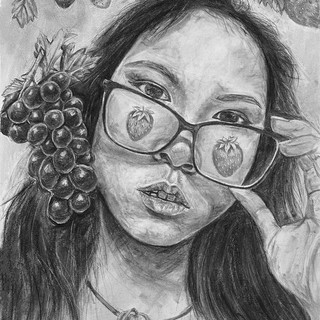
Drawing Cat image from High School 2017:

There are different types of curriculum development that involve planned curriculum and enacted curriculum. Creating curriculums includes research from people, writers, teachers, etc. Students are able to learn from classroom discussions, viewing cultures, classroom resources, their own artistic productions, etc. Null curriculum and hidden curriculum may be taught to students as well. Null Curriculum is when students learn from what is not taught. Hidden curriculum is when students learn things in school that may not be intentionally or not part of the planned and enacted curriculum. In the end, all four of the curriculums (planned curriculum, enacted curriculum, null curriculum, and hidden curriculum) are important to remember when teaching visual culture.


Comments